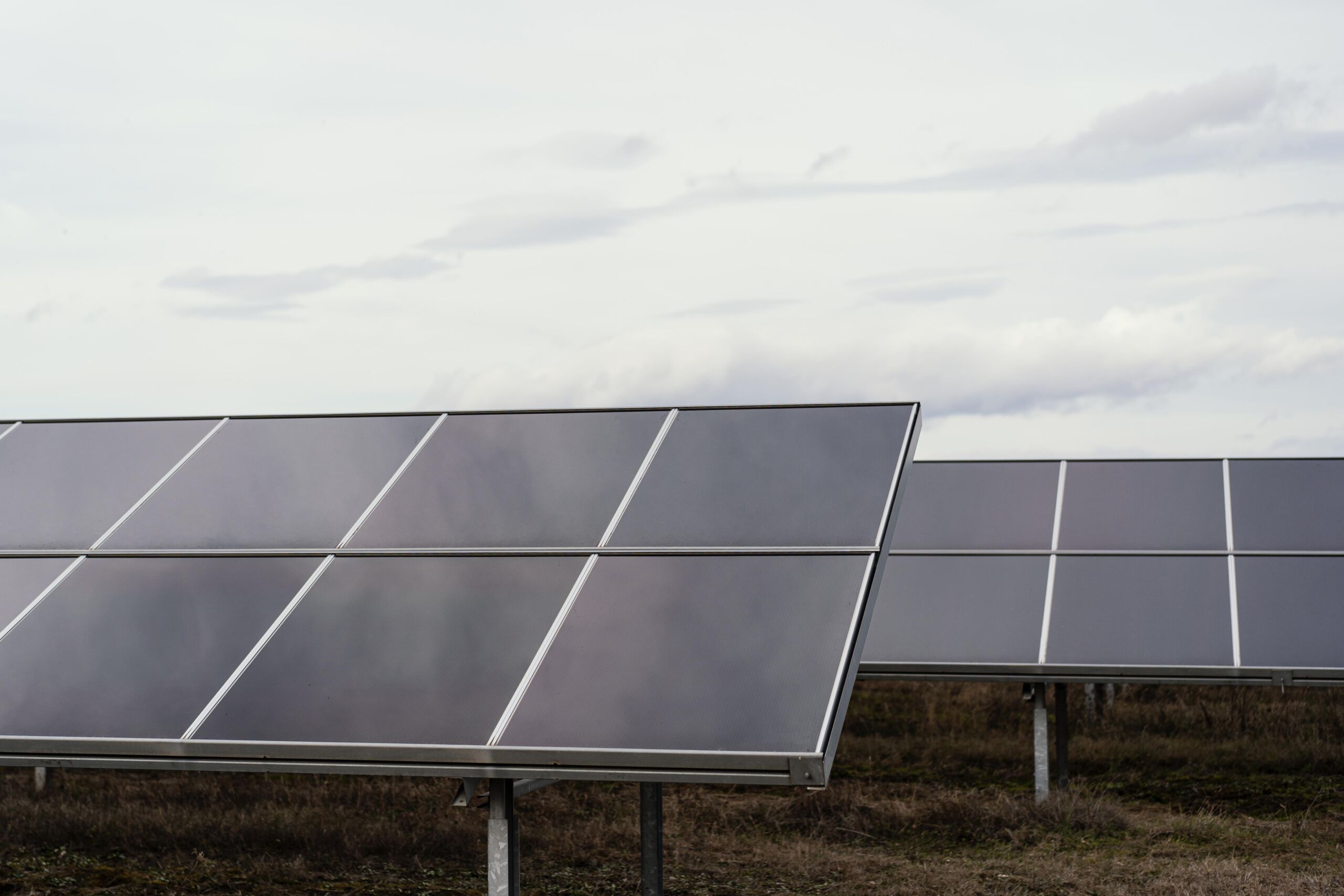
Nigeria has one of the best natural energy resources in the world: sunshine. Most parts of the country receive strong sunlight for many hours every day, and the north, including states like Borno, Kano, and Sokoto, gets some of the highest levels. Yet most of our electricity still comes from gas, diesel, and petrol. Renewable energy gives us a chance to change that.
What Is Renewable Energy?
Renewable energy comes from sources that do not run out, such as sunlight, wind, water, and organic waste. In Nigeria, solar is the most practical option for homes and businesses, while hydropower already supplies part of the national grid and biogas and wind have niche opportunities.
Benefits of Renewable Energy for Homes and Businesses
Lower long-term costs. Sunlight is free. After the initial investment, your monthly energy cost drops sharply, and you are protected from changes in fuel prices and tariffs.
Reliable power. With battery storage, solar systems keep your lights, fans, freezers, and equipment running through grid outages without noise or fuel runs.
Less maintenance. Solar panels have no moving parts and typically last 25 years or more. Compared with a generator that needs servicing, oil, and repairs, upkeep is minimal.
Cleaner air and a quieter environment. No fumes, no noise, and no fuel storage risk.
Increased property value. Homes and commercial buildings with solar installations are more attractive to tenants and buyers.
Opportunities in Nigeria
Rapidly growing demand. Millions of Nigerians and businesses already need a dependable alternative to the grid, and the market for solar and hybrid systems keeps growing.
Job creation. Installation, maintenance, sales, and financing of solar systems create jobs for engineers, technicians, and entrepreneurs.
Productive use in agriculture. Solar-powered irrigation, cold storage, and processing equipment help farmers reduce losses and increase income.
Pay as you go and financing options. Many providers now offer instalment plans, which allow households and small businesses to start with a smaller upfront cost.
Supportive policy direction. Government and development partners continue to support clean energy through programmes, reduced duties on some solar equipment, and the Electricity Act 2023, which opens space for state level and private projects.
Solutions for Homes
A typical home can start with a small system that powers lights, fans, television, phones, and a refrigerator. As budget allows, you can add capacity for air conditioners, water pumps, and other heavy appliances. Key components are solar panels, an inverter, a charge controller, and batteries sized to your needs.
Solutions for Businesses
Offices, shops, schools, clinics, farms, and factories can all benefit. Commercial systems are sized around your working hours and equipment load. A hybrid design with solar, batteries, and a backup source is often the best fit for businesses that cannot afford any downtime. Many companies recover their investment through fuel savings within a few years.
How to Get Started
First, list your appliances and how long you use them each day. Second, set your goals, such as full independence from the grid or just a reliable backup. Third, get a professional site assessment and a clear quote that covers equipment quality, installation, warranty, and after-sales support. Always choose certified equipment and an experienced installer, because a poorly designed system will cost you more in the end.
Ready to explore renewable energy for your property? Contact our team for a free assessment and a system designed around your needs.